
Diagnosing Septic Problems
Septic System Troubleshooting in Aiken, SC That Finds the Real Cause
Septic system troubleshooting in Aiken, SC traces slow drains, odors and soggy ground back to the part that is causing them. Call Addie's Septic Tank Service Inc for a free estimate.
Reading the Warnings
When to Call for Septic System Troubleshooting in Aiken, SC
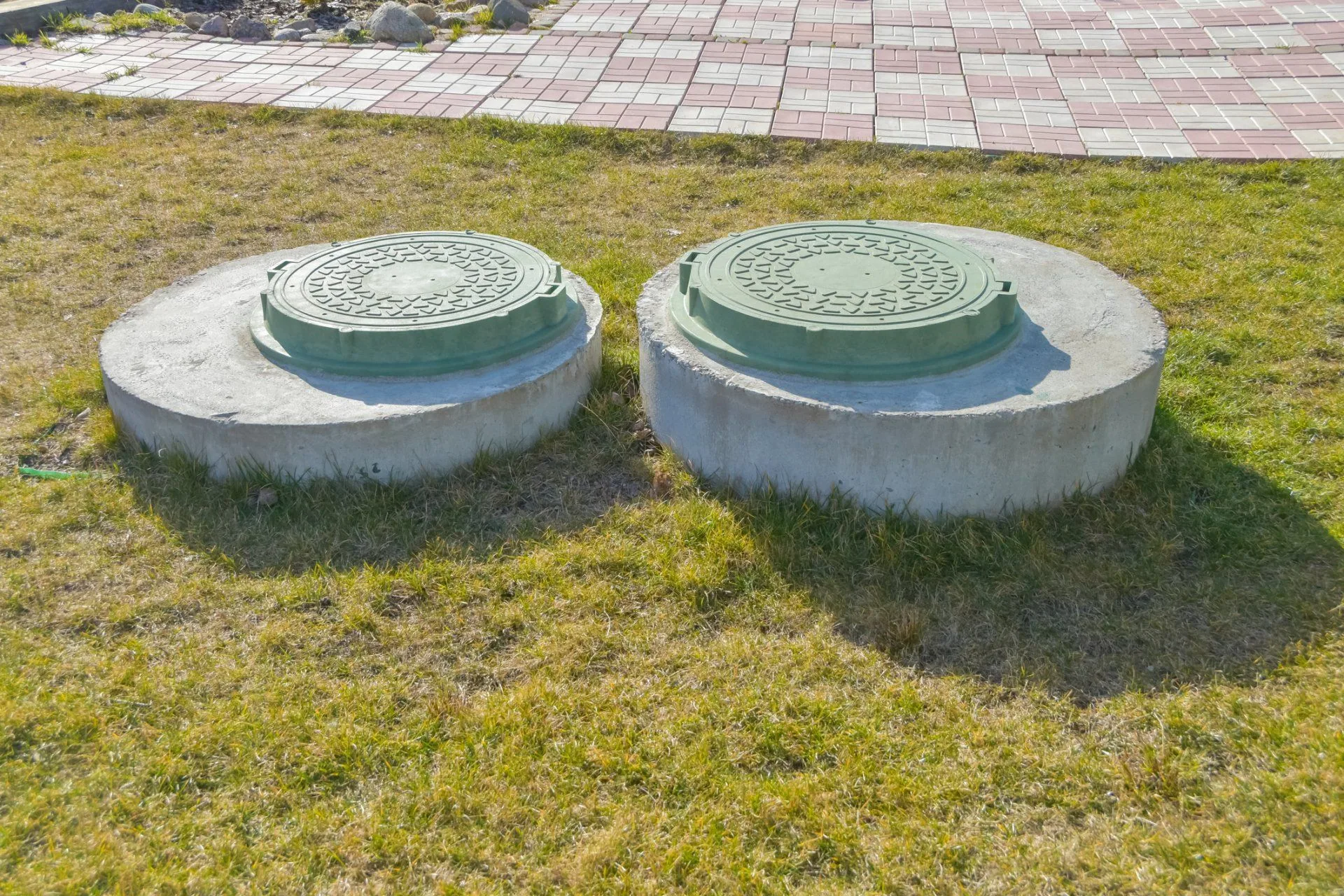
A septic system usually warns you before it fails, but the warnings can point in several directions. A smell in the yard, a gurgling toilet and a wet patch of lawn might come from the same problem or from three different ones. Septic system troubleshooting in Aiken, SC sorts out which is which before any money is spent on the wrong fix.
One symptom on its own does not always mean the system is failing. The point of a troubleshooting visit is to find out exactly what is happening, so the answer is based on what we see rather than a guess.
- Drains that run slow throughout the house
- Gurgling in the pipes after flushing or running water
- Odors near the tank, the field or inside the home
- Grass over the tank or field that is greener or thicker than the rest of the lawn
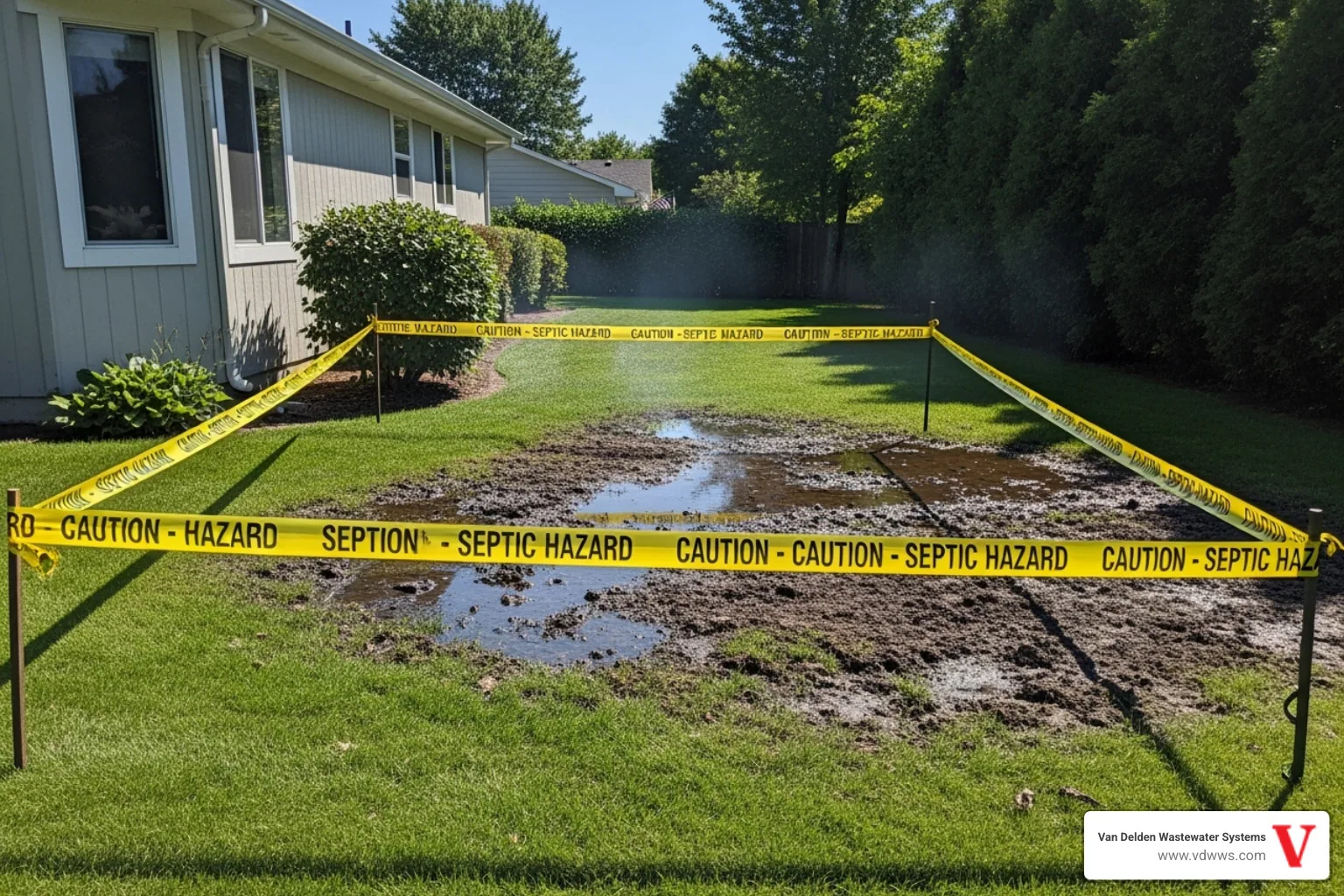
- Wet, spongy or pooling ground over the drain field
- A pump alarm that sounds and will not stop
One Drain or All
Slow Drains and Septic Trouble
Slow drains are the most common reason homeowners call us for septic system troubleshooting in Aiken, SC, and they have more than one possible cause. The first question is whether the slowdown is in one fixture or the whole house. A single slow sink usually points to a clog in the home's plumbing, while slow drains on every fixture, especially the lowest ones, point toward the septic system.
When septic is the cause, the usual suspects are a tank that is overdue for pumping, a clogged effluent filter, a blocked or broken inlet pipe, or a drain field that is no longer absorbing. Each one calls for a different fix, from a simple pumping to a repair or a new field.
We check the liquid level in the tank first. A level that sits above the outlet tells us water is not leaving the tank as it should, and we work outward from there until the cause is clear.
Follow the Odor
Tracking Down a Septic Smell in the Yard
A septic smell in the yard means sewage gases are escaping somewhere they should not. A faint odor right after pumping is normal, but a lasting smell is worth tracking down.
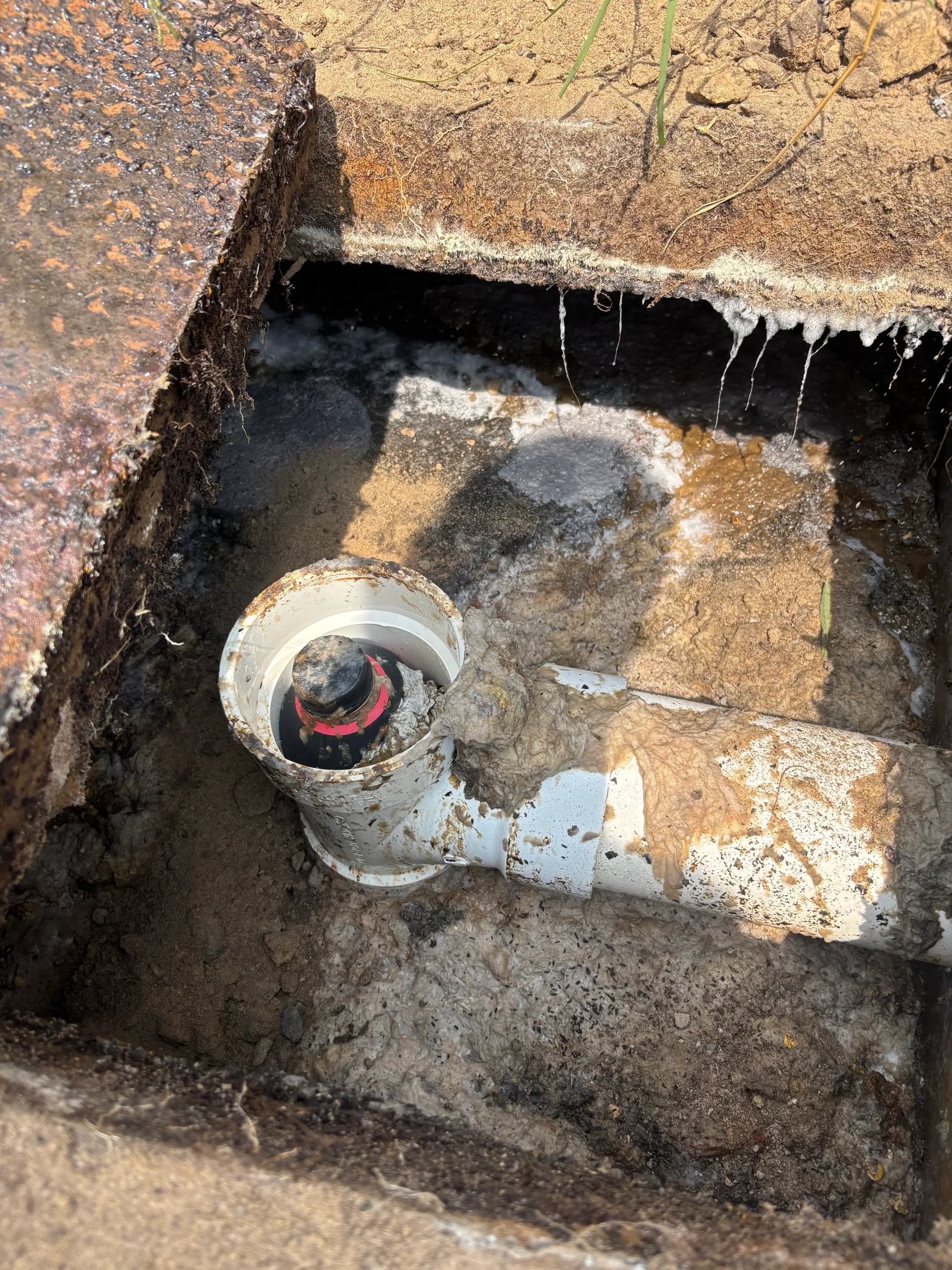
The source might be a cracked or poorly sealed tank lid, a broken riser, a cleanout with a missing cap, or a pipe that has separated underground. Odors over the drain field often mean effluent is rising toward the surface because the soil below can no longer take it. A smell near the house, on the other hand, can come from a dry plumbing trap or a vent problem rather than the tank itself.
We check the lids, risers and cleanouts, open the tank, and walk the line out to the field. Once the source is found, many odor problems turn out to be a simple fix, such as a new lid or a replacement cap.
A Soggy Field
Standing Water Over the Drain Field
Standing water over the drain field is one of the clearest signs that the field is struggling. The South Carolina Department of Environmental Services names a drain field saturated with wastewater as one of the two most obvious signs of septic failure, along with sewage backing up into the house.
Before deciding the field has failed, we rule out the simpler causes. Heavy rain can soak a field for a day or two, especially in red clay, which drains slowly. Gutters or a sump pump draining onto the field can flood it. A tank that has not been pumped in years can push solids into the field and clog it, and a broken outlet baffle does the same.
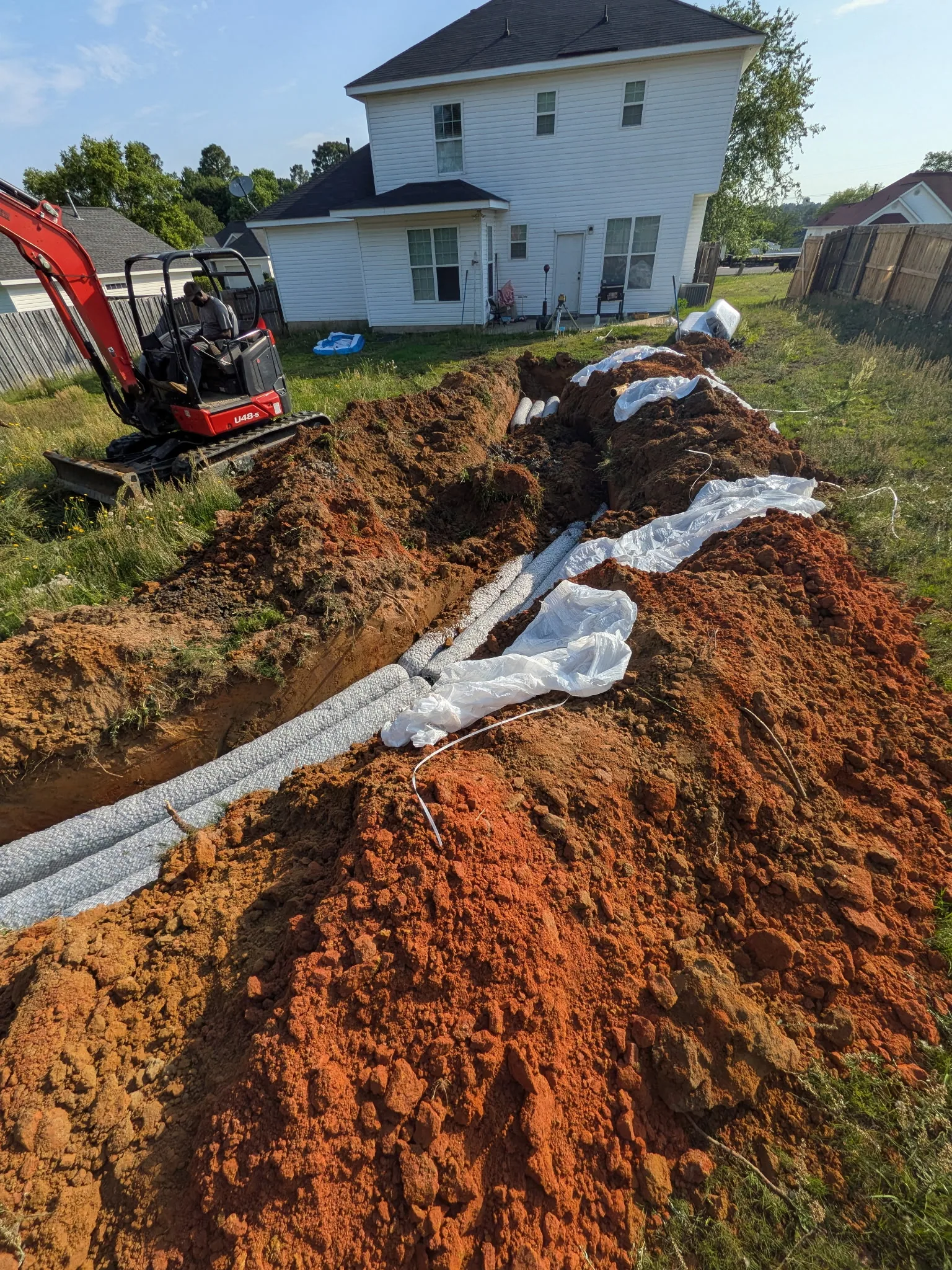
We check the tank, the baffles and the distribution of water across the field. Where the soil itself has sealed up, the answer may be a new field, and we explain that plainly when it is the case.
How We Diagnose
Our Troubleshooting Process on Site
Good troubleshooting follows the water from the house to the field. We check each part in order until the problem is found.
-
Hear the Symptoms
We start by asking what you have noticed, when it started, when the tank was last pumped, and whether anything has changed in the home recently.
-
Check the Tank
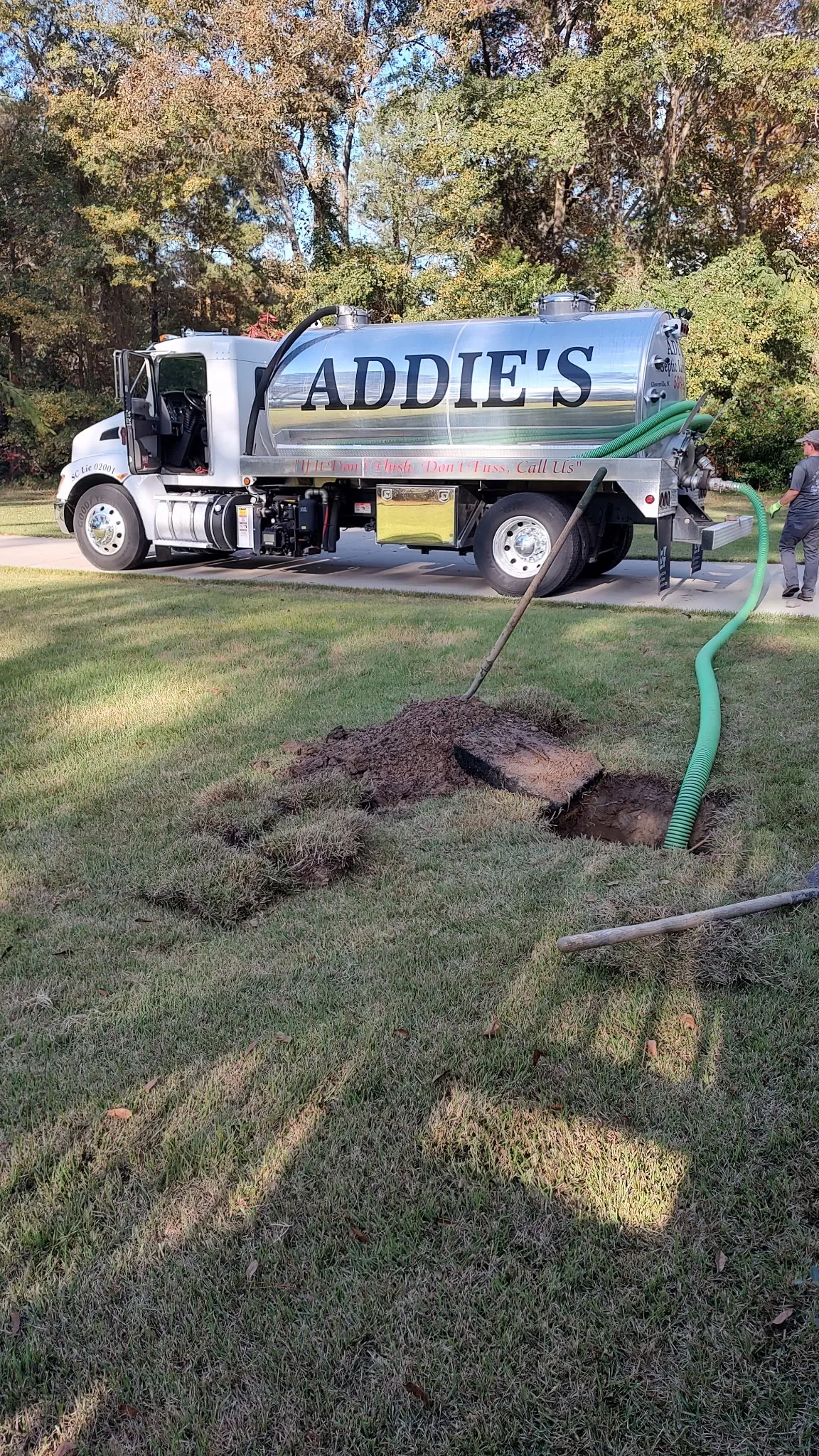
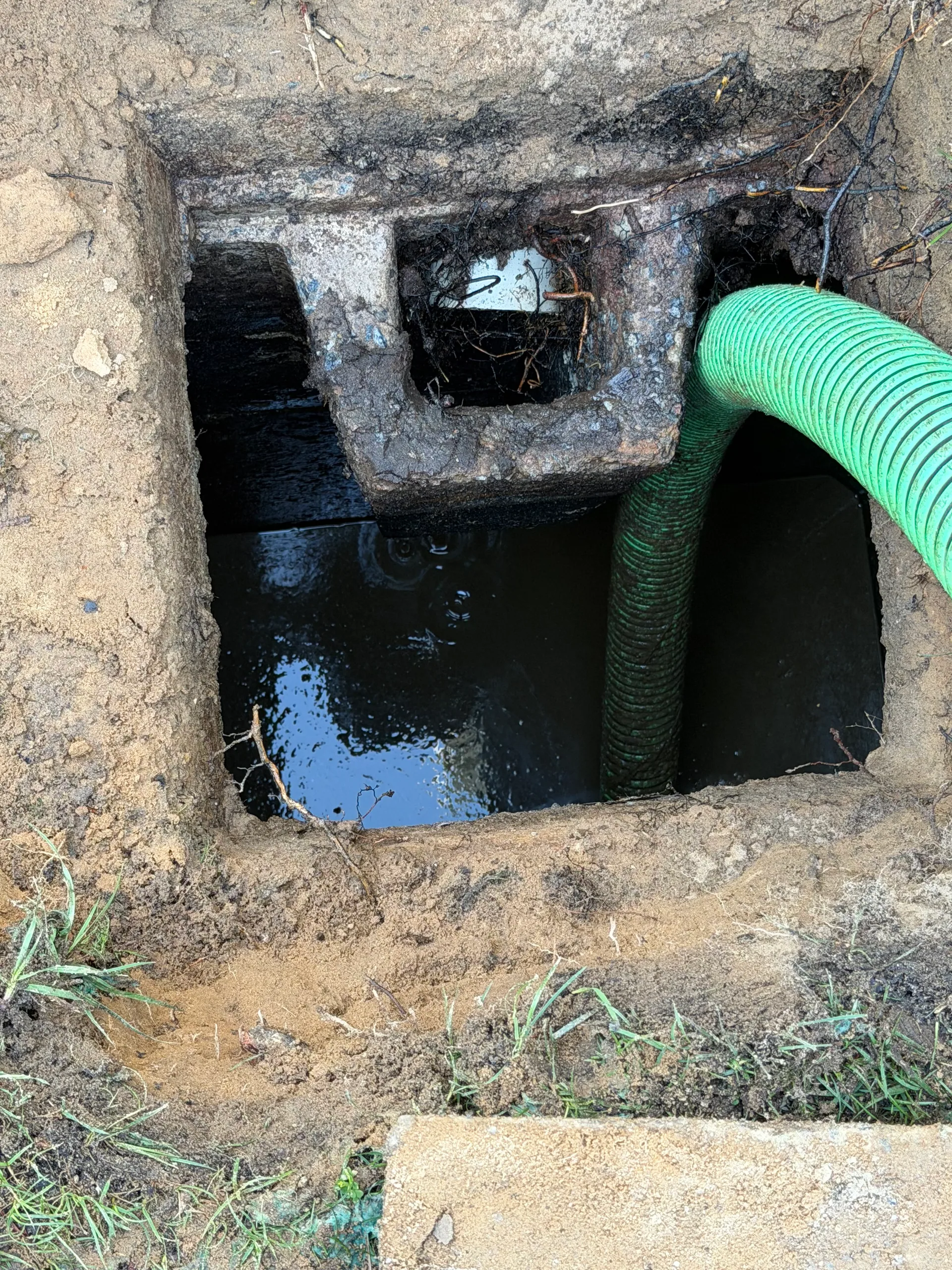
We open the tank and check the liquid level, the baffles, the effluent filter and the condition of the inlet and outlet pipes.
-
Follow the Line
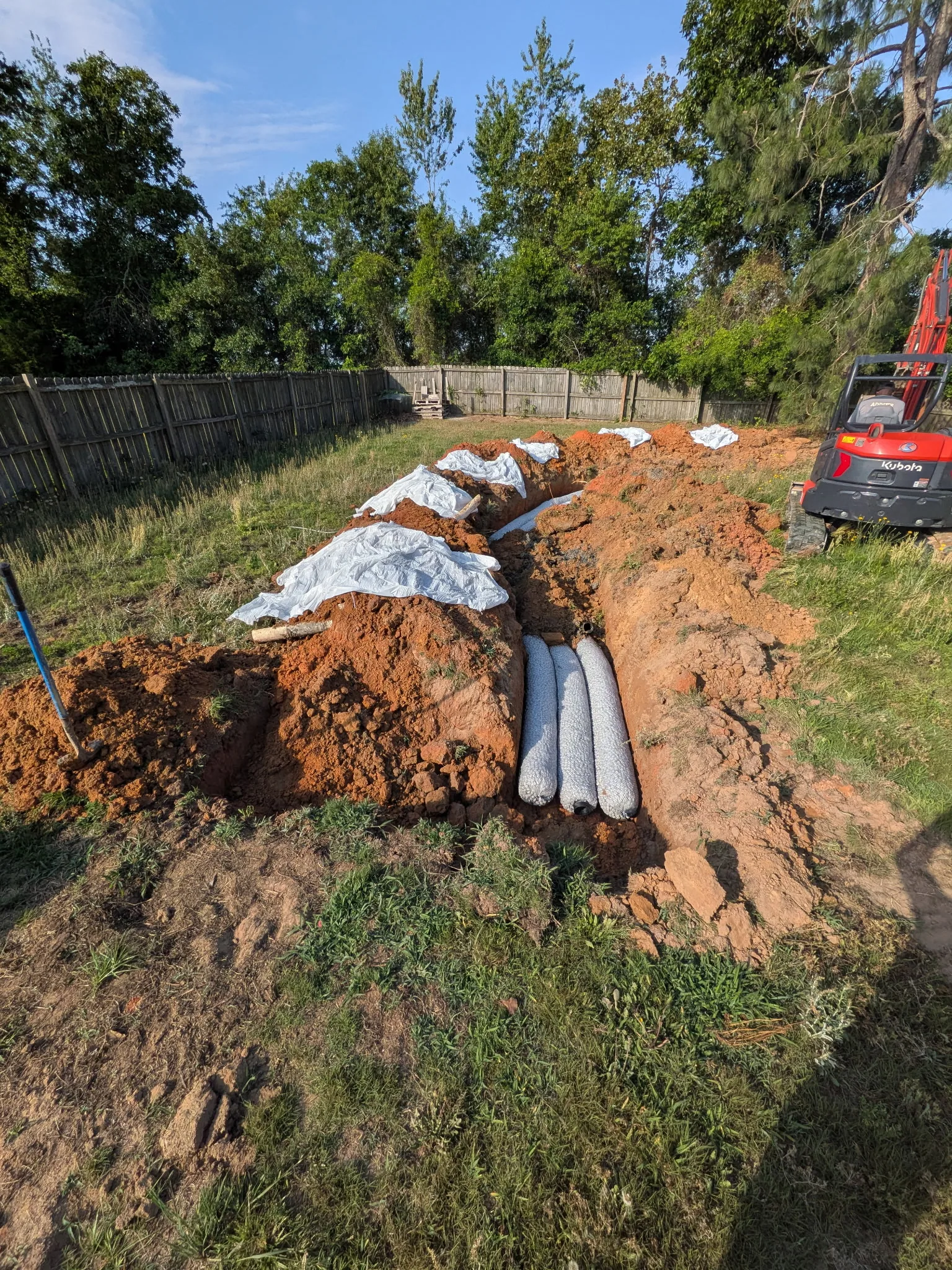
We look at the pump chamber and alarm where there is one, then check the pipe to the field, the distribution box and the ground over the field.
-
Explain What We Found
You get a plain explanation of the cause and your options, with a free estimate for any work, so you can decide on the next step with confidence.
When a System Gives Out
Signs of a Failing Septic System
A failing septic system is one that can no longer treat and absorb the wastewater a household sends it. The signs build over time: slow drains that do not improve after pumping, odors that keep coming back, wet ground over the field in dry weather, and finally sewage backing up into the home.
Age plays a part. Septic systems commonly fail around 15 to 20 years of age, and an older system with a history of missed pumpings is more likely to have a worn out field. A failing system also carries legal weight in South Carolina. When the Department of Environmental Services receives a complaint or traces a pollution problem to a septic system, the owner receives a notice of violation and must repair it.
Before any replacement is recommended, we inspect the existing system to see whether a new one is truly needed. Many systems that look like they are failing need only a repair.
Visit Costs
What a Troubleshooting Visit Costs and Saves
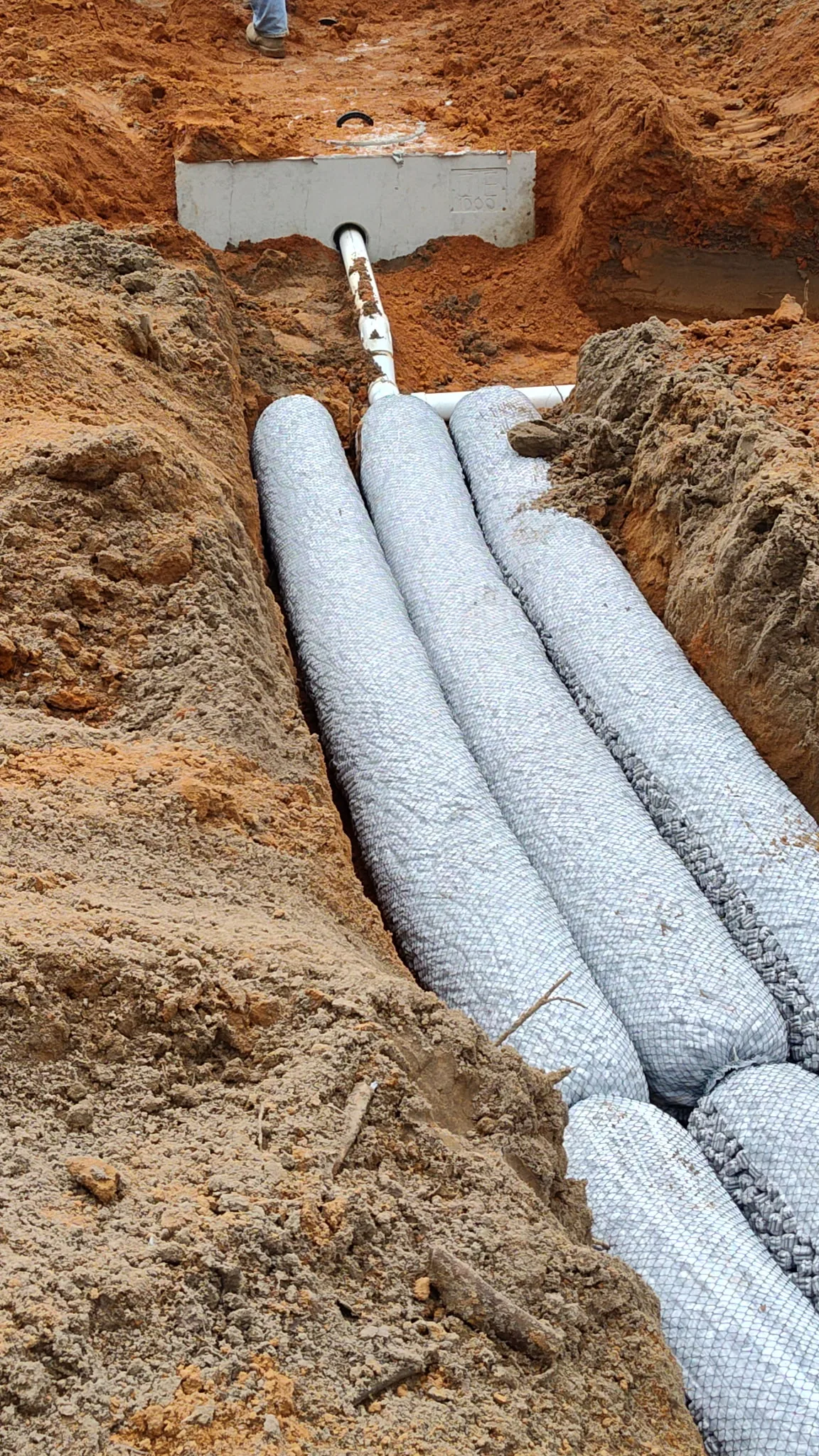
Every estimate we give is free. The cost of a troubleshooting visit depends on how easy the system is to reach and how many parts need to be checked to find the cause.
Finding the true cause is how septic system troubleshooting in Aiken, SC saves money. Pumping a tank when the real problem is a broken pipe, or replacing a field when the real problem is a clogged filter, costs far more than a careful diagnosis. Once we know what failed, our septic system repair crew can fix it, often during the same visit.
- How deep the tank lids are buried, or whether risers are in place
- Whether the tank needs to be pumped to inspect the baffles and walls
- Whether there is a pump chamber, alarm or distribution box to check
- The size of the drain field and how much of it needs a closer look
Symptoms to Causes
Why Homeowners Call Addie's to Diagnose Septic Problems
Addie's Septic Tank Service Inc has been family-owned and operated for more than 60 years. Decades of opening tanks and digging fields across the region have shown our crew how symptoms connect to causes, from roots in a baffle to wipes wrapped around a pump intake.
We are licensed, bonded and insured, and our prices are competitive. We tell you what we find in plain terms, and we never push a replacement when a repair will do the job. We accept Visa, MasterCard, American Express, Discover, cash and money orders.
Our hours are Monday through Thursday, 7:00 AM to 5:00 PM, and we are on call Friday through Sunday. If sewage is already coming into the house, our emergency septic service gets a timely response.
Diagnosis Near You
Diagnosing Septic Problems From North Augusta to McCormick
Our crew is based in Gloverville and troubleshoots systems across Aiken County and the neighboring counties. Ground conditions change across the region, with sandy soil in some areas and red clay in others, and that affects how a drain field behaves when it starts to struggle.
We diagnose problems for homeowners in North Augusta, in Gloverville and its neighbors Bath, Clearwater, Langley and Burnettown, in and around Edgefield, and out to McCormick County. Wherever the problem is, the same careful process applies.
Our full list of septic services covers whatever the diagnosis calls for next. Septic system troubleshooting in Aiken, SC and the surrounding counties always starts with the same question: what changed, and when?
Puzzling Problems
Septic System Troubleshooting Questions
Why are my drains slow if my septic tank was just pumped?
If drains are still slow after pumping, the tank was probably not the cause. Common culprits include a clogged effluent filter, a blocked or broken pipe between the house and the tank, a damaged outlet baffle, or a drain field that can no longer absorb water. A troubleshooting visit checks each of those in turn until the real cause is found.
Is a septic smell in the yard dangerous?
A lasting septic smell means sewage gases or effluent are escaping, which is unpleasant and can point to a hazard such as a cracked lid. Keep children and pets away from soft or wet ground and from any damaged lid. The cause is often a simple fix, such as a broken cap or a poorly sealed lid, but it should be checked promptly.
Does standing water over my drain field mean it has failed?
Not always. Heavy rain, a gutter or a sump pump draining onto the field, or an overdue tank can all leave water standing over a drain field that is still sound. If water stays after dry weather and the tank has been pumped, the field may be failing. A troubleshooting visit rules out the simpler causes before a new field is considered.
What does it mean when my septic pump alarm goes off?
The alarm means the water level in the pump chamber is higher than it should be. The pump may have failed, a float may be stuck, or a breaker may have tripped. Check the breaker first, then cut back on water use. Avoid laundry, the dishwasher and long showers, and call us so the chamber can be checked before it overflows.
How do I know if I have a failing septic system or a plumbing clog?
A clog usually affects one fixture, such as a single sink or toilet, while a septic problem tends to slow every drain in the house, starting with the lowest ones. Odors outside, wet ground over the field and gurgling throughout the home also point toward the septic system. When it is unclear, a troubleshooting visit settles the question.