

Routine Septic Care
Septic System Maintenance in Aiken, SC That Prevents Costly Failures
Routine septic system maintenance in Aiken, SC keeps your tank, filter and drain field working for years longer. Addie's Septic Tank Service Inc sets up a care plan that fits your household.
Why Upkeep Matters
Why Septic System Maintenance in Aiken, SC Pays Off
A septic system is a small treatment plant buried in your yard. The tank holds solids back, bacteria break down what they can, and the drain field lets the cleared liquid soak into the soil. When any one of those parts is neglected, the others take on a load they were never built for.
Septic systems commonly fail somewhere around 15 to 20 years of age, and the ones that fail early usually share a history of missed pumpings and clogged filters. Regular septic system maintenance in Aiken, SC is the difference between a drain field that keeps absorbing and one that has to be dug up and replaced.
Local ground plays a part too. Aiken County sits on the Fall Line, where the sandy soil of the Sandhills meets the red clay of the Piedmont. Clay drains slowly and sand drains fast, and both reward a tank that sends only clear liquid out to the field.
Your Household Schedule
A Septic Maintenance Schedule Built Around Your Household
For septic system maintenance in Aiken, SC, most homes should have the tank pumped and the system inspected about every three to five years. Where your home falls in that range is the heart of a good septic maintenance schedule, and it depends on how the house is used.
We record what we find at each visit, including how thick the sludge layer was, so the next date is based on your tank rather than a guess. The schedule can shift as a household grows or shrinks.
- The number of people living in the home
- The size of the tank
- Daily use of a garbage disposal
- Frequent long-term guests or a home business
- Whether the tank has an effluent filter or a pump chamber
What a Visit Includes
Our Septic Tank Maintenance Process
Septic tank maintenance is a planned visit rather than a rescue call. That gives the crew time to look at the whole system and catch small problems early.
-
Open the Tank
We uncover the lids or open the risers and check the liquid level, which tells us right away whether the tank is draining to the field as it should.
-
Pump and Measure
The tank is pumped empty, and we note how much sludge and scum had built up since the last visit to fine tune your schedule.
-
Clean and Inspect
We rinse the effluent filter, check the baffles and pipe connections, and look for roots, cracks or corrosion inside the tank.
-
Walk the Drain Field
We look over the ground above the field for wet spots, sinking soil or unusual growth, then go over our findings and the next visit date with you.
Filter Care
Cleaning the Septic Tank Effluent Filter
A septic tank effluent filter is a slotted cartridge that sits in the outlet of the tank. It catches small solids and fibers before they leave the tank, which keeps them out of the drain field pipes and the soil around them.
The filter does its job by collecting debris, so it slowly clogs. A clogged filter backs water up into the tank and eventually into the house, often showing up first as slow drains on the lowest floor. Cleaning it is a regular part of our maintenance visits, and on busy households it may need attention between pumpings.
The filter is messy to handle and easy to put back wrong, so we recommend leaving it to a licensed crew. If yours keeps clogging quickly, that is a clue worth a closer look.
Easier Tank Access
Septic Riser Installation for Easier Access
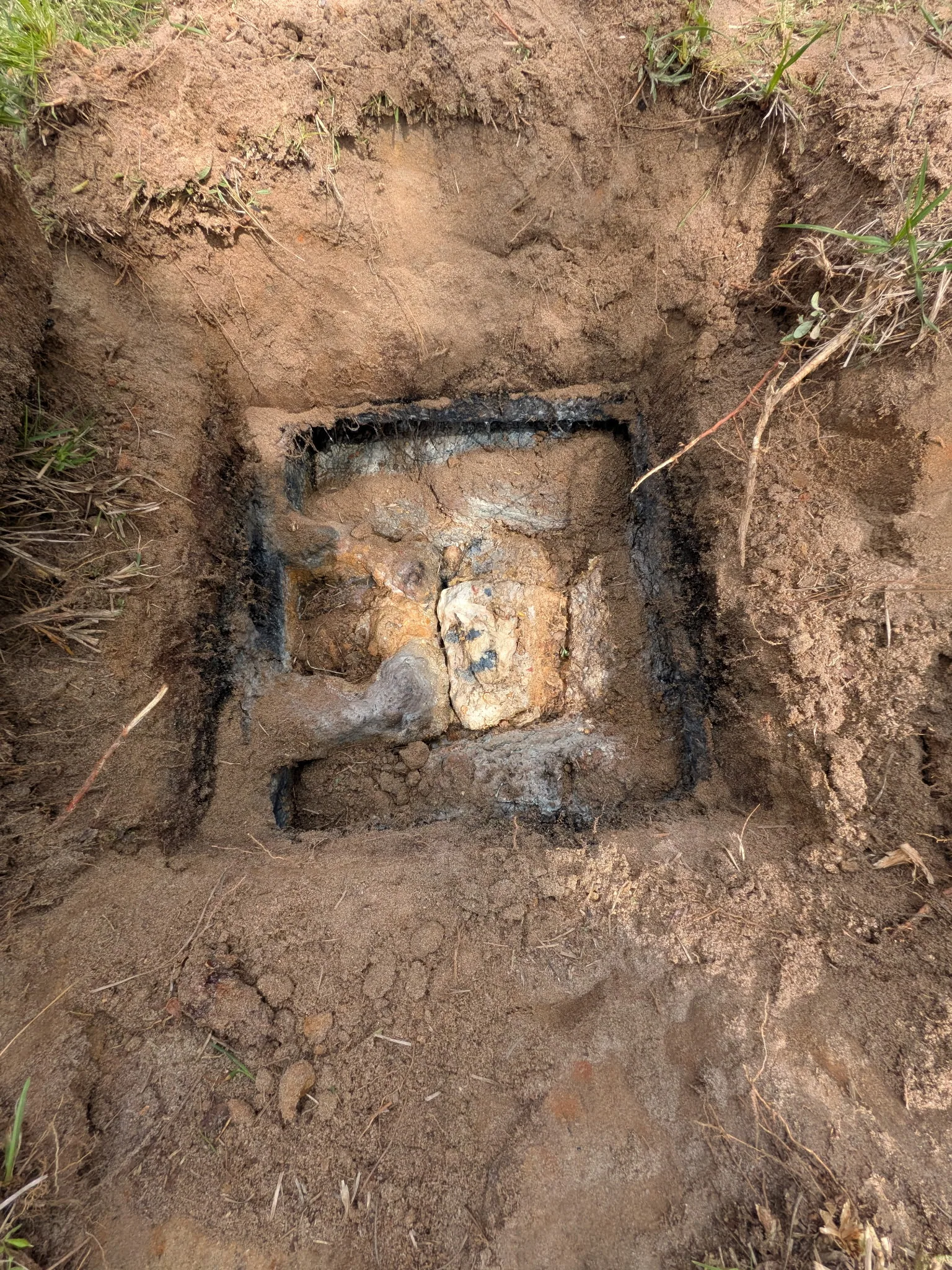
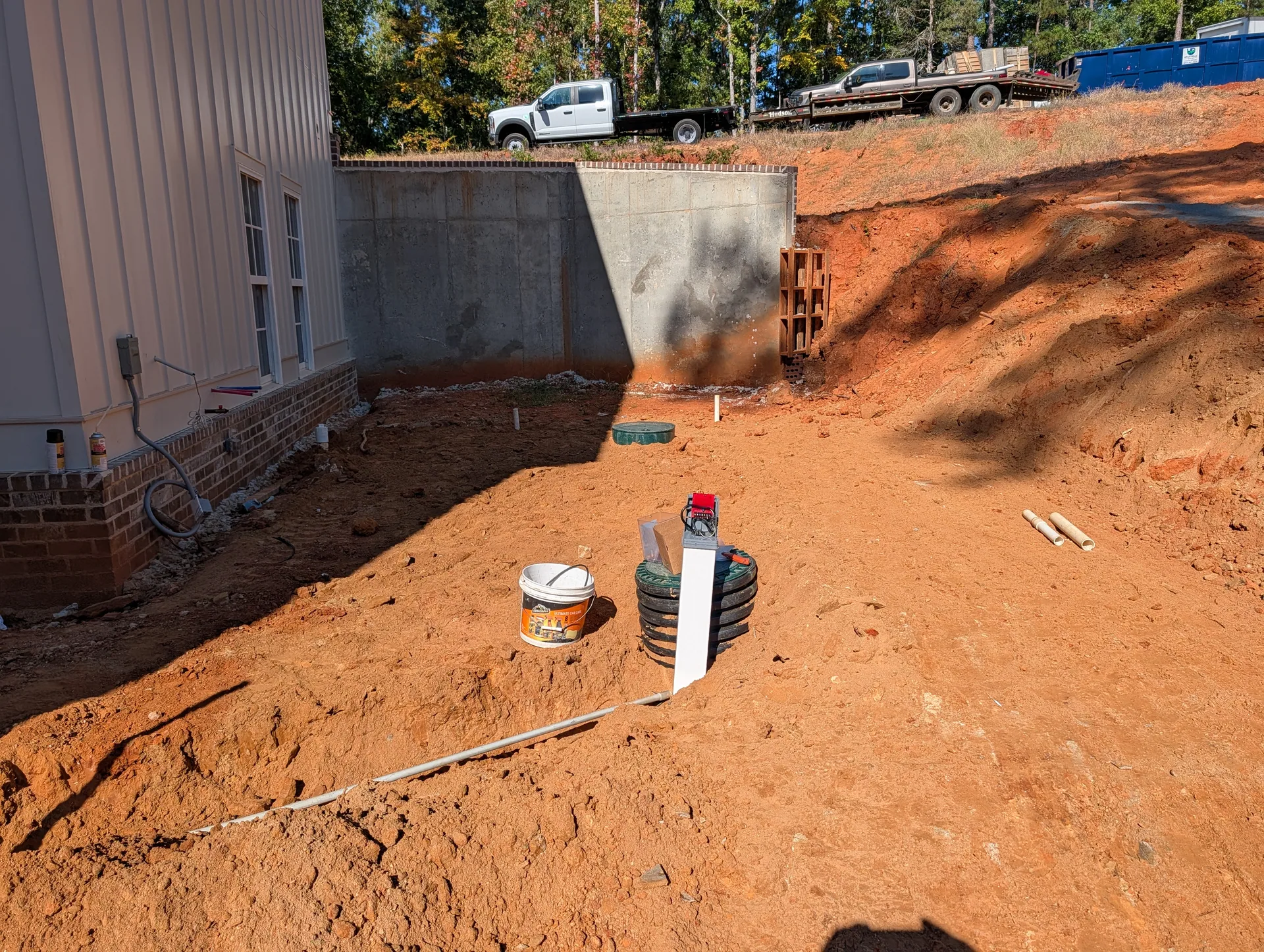
A riser is a sealed collar, usually plastic or concrete, that extends the tank opening up to ground level and finishes with a secure lid. Septic riser installation means the tank can be opened in minutes instead of being dug up every time it needs service.
Many tanks in older yards around the county sit a foot or more below the surface. Each visit then starts with digging, which adds time to the job and leaves a patch of disturbed lawn. With risers in place, pumping, filter cleaning and inspections all go faster, and you always know exactly where the tank is.
Risers also help when you sell the home, since the buyer's inspection can be done without excavation. We can add them during a regular pumping visit, often on tanks we are already uncovering for service.
Around the House
Everyday Habits That Protect Your System
What goes down the drains matters as much as how often the tank is pumped. A few habits around the house keep the bacteria healthy and the drain field clear.
Household cleaners used in normal amounts are fine for most systems, though large amounts of bleach or drain cleaner can upset the tank. If you notice odors or soggy ground despite good habits, our septic tank pumping crew can check whether the tank is simply overdue.
- Flush only toilet paper, and keep wipes, even ones sold as flushable, in the trash
- Pour cooking oil and fats into a can, never down the sink
- Spread laundry across the week instead of washing several loads in one day
- Keep cars, trailers and heavy equipment off the tank and the field
- Point gutters and downspouts away from the drain field
- Plant grass over the field, and keep trees and large shrubs well away
Before You Travel
Caring for Your System Before a Long Trip
Many homeowners plan septic care around travel, and a little preparation before you leave helps. A tank that is close to its pumping date is best serviced before a long trip, so you do not come home to slow drains or odors after guests or a house sitter have been using the system.
While you are gone, a quiet system is not a problem. The bacteria in the tank slow down without new waste but recover once the household returns to normal use. If the home will be empty for an extended time, check that no faucet is dripping and no toilet is running, since a slow leak can send a surprising amount of water into the field.
Maintenance Pricing
What Affects the Cost of Septic Maintenance
Septic system maintenance in Aiken, SC is the least costly way to own a septic system, and every estimate we give is free. The cost of a given visit depends on a handful of factors.
A system that is maintained on schedule rarely needs the major work that a neglected one does. When something does need attention, we explain it at the time and give you a clear estimate. If a part is broken, our septic system repair crew handles the fix. We accept Visa, MasterCard, American Express, Discover, cash and money orders.
- The size of the tank and the number of compartments
- How deep the lids are buried, or whether risers are already in place
- Whether there is an effluent filter or a pump chamber to service
- How long it has been since the last pumping
A Long View
Maintenance From a Family Company Over 60 Years Strong
Addie's Septic Tank Service Inc has been family-owned and operated for more than 60 years. That history gives our crew a long view of how tanks and drain fields across this region hold up over the decades.
We are licensed, bonded and insured. The South Carolina Department of Environmental Services recommends regular inspection and pumping by licensed septic contractors, and that is exactly the work a maintenance plan with us covers.
Our hours are Monday through Thursday, 7:00 AM to 5:00 PM, and we are on call Friday through Sunday. If a problem turns up between scheduled visits, the same family business that keeps your records is the one that answers.

Across the Region
Maintenance Plans From Aiken to Wagener
From our base in Gloverville, we keep maintenance schedules for homeowners across Aiken County and neighboring counties. In and around Aiken, we pump and inspect tanks on lots of every size, and many of the older ones have never had risers or filters added.
Farther out, we care for systems on rural lots around Edgefield, in Johnston and Trenton, and up toward Wagener and Salley. Long driveways and large yards are common in these areas, which makes knowing exactly where the tank sits all the more useful.
Our complete range of septic services is available everywhere we keep a schedule. Septic system maintenance in Aiken, SC and the surrounding counties follows the same careful visit plan.
Upkeep Questions
Septic System Maintenance Questions
What does a septic maintenance visit include in Aiken?
A typical visit includes opening the tank, pumping it empty, measuring how much sludge and scum had built up, cleaning the effluent filter if there is one, and checking the baffles and pipe connections. We also look over the drain field for wet spots or soft ground. You leave the visit knowing the condition of your system and when to schedule the next one.
Can I clean my septic tank effluent filter myself?
Some homeowners do, but the filter sits in raw sewage and is easy to damage or reinstall incorrectly. A filter left out or seated wrong lets solids flow straight to the drain field. Our crew cleans and checks the filter during each maintenance visit, which is the safest way to keep it working and to spot a filter that is clogging too quickly.
Are septic risers worth adding to an older tank?
For most homes, yes. Risers bring the lids to ground level, so every pumping and inspection skips the digging step. That saves time on each visit, protects your lawn, and makes the tank easy to find for a future buyer's inspection. They are often added during a regular pumping visit while the tank is already uncovered.
How do I know my septic maintenance schedule is right?
The best guide is what we find in the tank. If the sludge layer is thin at each pumping, your interval may be able to stretch. If the tank is nearly full of solids, the schedule should be shorter. We record those measurements at each visit and adjust the plan as your household changes, so it reflects how your home actually uses the system.
Does a maintenance plan help when I sell my home?
A record of regular pumping and inspection shows a buyer that the system has been cared for, and accessible risers make their inspection simple. Maintenance also lowers the chance of an unwelcome surprise during the sale. If your home is going on the market soon, scheduling a visit beforehand gives you a current picture of the system's condition.